
 Shift News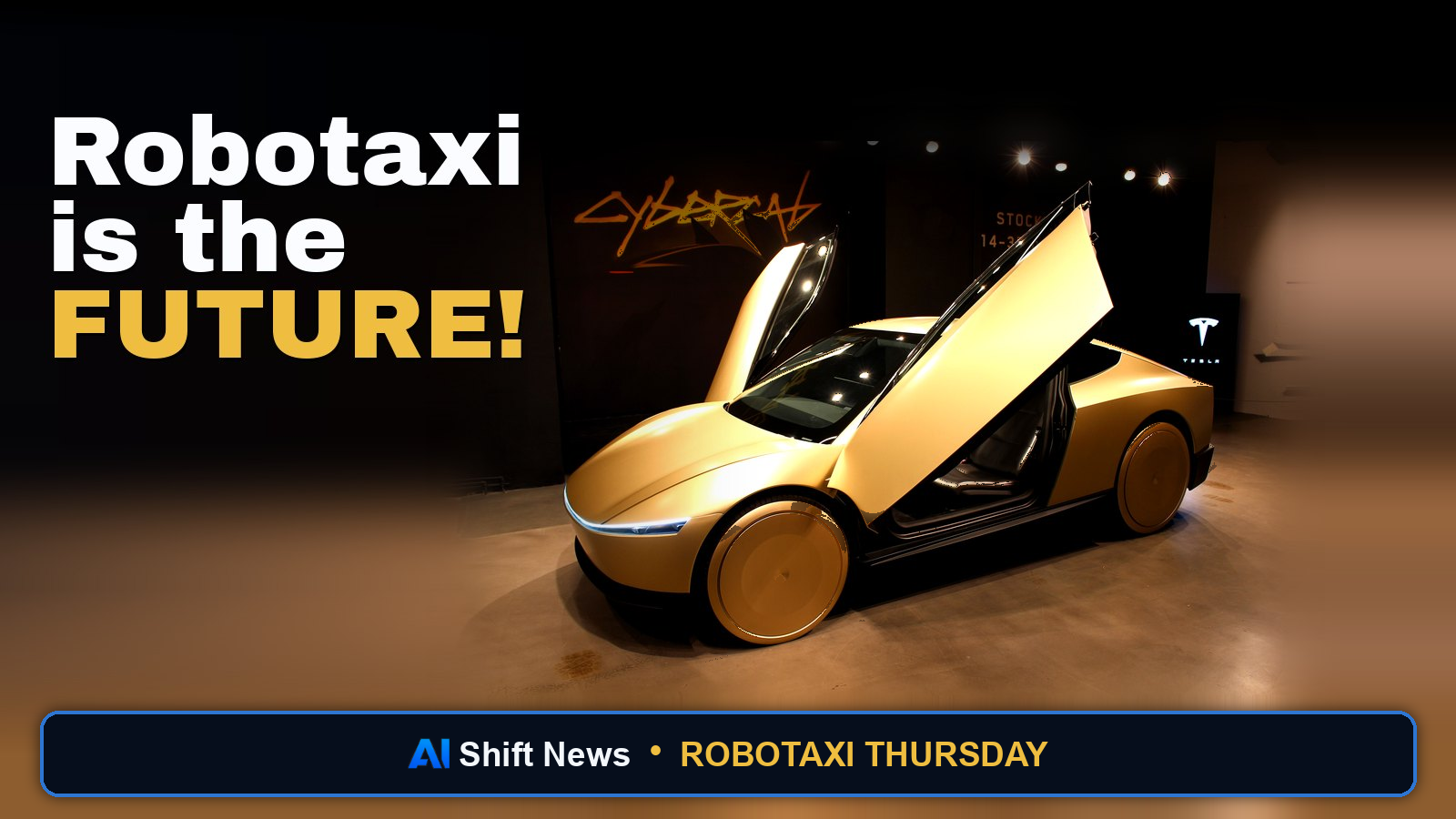
Farzad’s Sep 30 video argues that self-driving pods are the product Tesla and others are betting on. Cost-per-mile figures and the “this is the future” conclusion are his. They are not a Tesla filing.
Farzad — “The New Product Tesla's Betting Its Entire Company On” (published September 30, 2026). The embed is the talk. Cost-per-mile figures in it are his, not a Tesla filing.
Honest fence (read first): This is commentary, not a Tesla spec drop. Farzad’s Sep 30 video argues that self-driving pods are the product Tesla and others are betting on. The cost-per-mile talk — about 80 cents, $1.80, and 20 cents — is his. It is not a Tesla filing, a regulator table, or a measured fare. “Robotaxi is the FUTURE!” is the thumbnail line. It is not a finding.
What he is actually arguing
Farzad’s Sep 30 video is titled “The New Product Tesla's Betting Its Entire Company On.” The title is his. The body is an essay. He says companies in self-driving are betting on vehicles that do not need a human at the wheel, and that the thing being sold is no longer “a car you operate” but time between two points. The elevator story is the spine: a human used to run the elevator; then the operator disappeared; people now expect the box to just go. He wants driving to be read the same way, except you sit in the box much longer, so the interior becomes a place to work, sleep, or talk.
That is a product thesis. It is not a spec. He does not show a Cybercab engineering sheet, a fare card, or a fleet table.
The numbers are his
He says average U.S. vehicle ownership is about 80 cents a mile, that Uber is closer to $1.80 once a driver’s time is in the price, and that a driverless system, after electricity, maintenance, and insurance, lands nearer 20 cents a mile. None of those figures is tied, in the video, to a Tesla filing, a regulator table, or a receipt from a ride. They are his averages. He believes cheaper miles plus free time will pull more trips and will pressure Uber-style driving and private ownership. This article cannot say Tesla has published those costs.
He also says human driving will stop being a profession, and that Tesla is ahead of the few companies doing this well because it builds the cars and the software. Both lines are his judgment. He says he already rides in his own Tesla on supervised self-driving and uses in-car Grok to send work to agents. He names Austin, Miami, Orlando, and Vegas as places where self-driving cars are showing up. He does not present a new Tesla document.
Reuters, writing about the Sep 3–4 Austin launch, is the separate desk record: Tesla said it was offering Cybercab rides in limited parts of Austin in a two-seater with no steering wheel or pedals; NHTSA said it was evaluating; the wider robotaxi service had already reached some other Texas cities and Florida in Model Ys. That launch is real. It is not what this video documents.
What not to import from the thumb
“Robotaxi is the FUTURE!” is the locked thumbnail line. It is not a finding. The video’s own YouTube title is a different hype line. Both stay off the H1. The H1 stays on the claim-versus-proof beat: Farzad made a future case; the case is not a Tesla spec.
What this does not prove
- 80 cents / $1.80 / 20 cents are unverified talk, not measured fares.
- The YouTube title is not a Tesla announcement that the company is betting everything on one new product.
- Robotaxis, time-back, and agent software are one story in the video. They are not one Tesla filing.
- The Austin Cybercab launch Reuters reported is context. This video does not document it.
Bottom Line
Farzad’s Sep 30 video is a future case for robotaxis and cheaper miles. The 80 cents / $1.80 / 20 cents figures stay in his mouth. They are not a Tesla spec.
Sources
- Farzad — “The New Product Tesla's Betting Its Entire Company On” (Sep 30, 2026, 1mr3T00EINY)
- Reuters, Sep 3–4 2026, on the Austin Cybercab launch (limited rides, two-seater, no wheel or pedals; NHTSA evaluating; Model Y robotaxi already in some other Texas cities and Florida). Context only — not what this video documents.